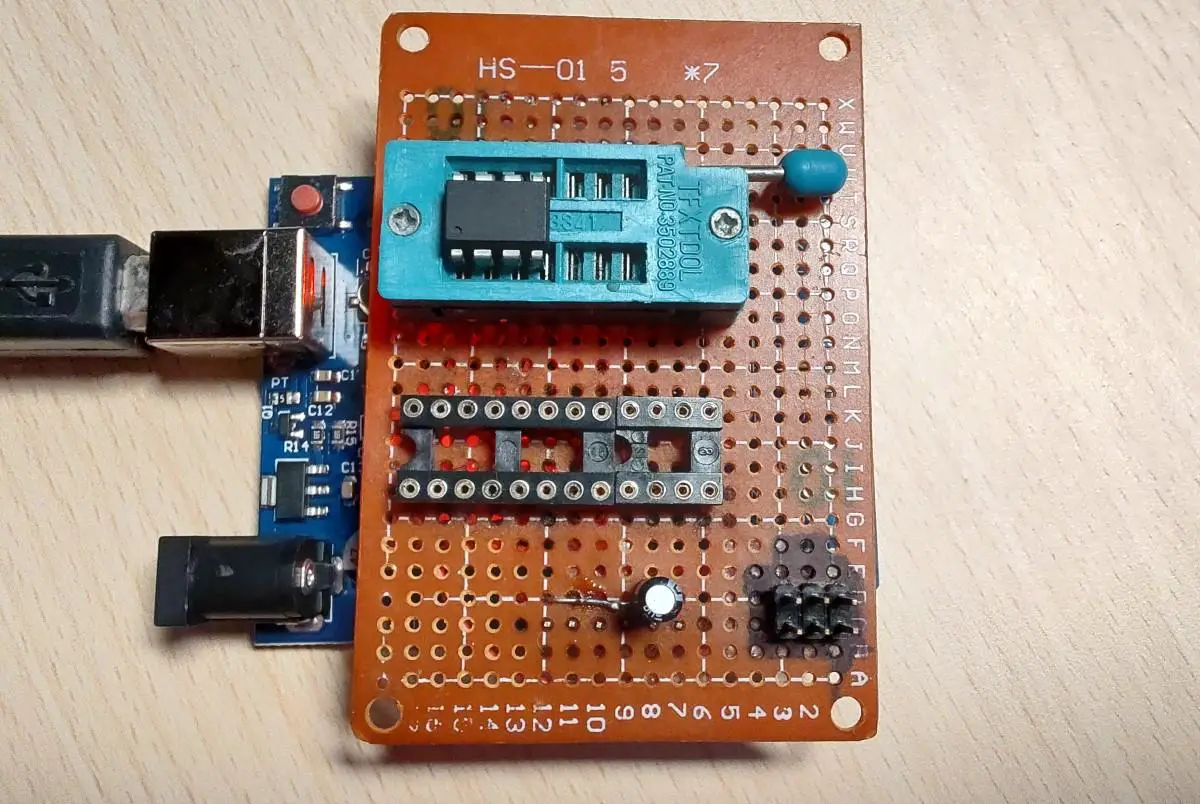
Programming The Attiny45 With An Arduino As ISP Programmer
In this post, I’ll show you how to program the Attiny microcontrollers via the Arduino IDE using an Arduino board as an ISP programmer.
In this post, I’ll show you how to program the Attiny microcontrollers via the Arduino IDE using an Arduino board as an ISP programmer.

This post is a cheatsheet for Docker. I wrote this for myself so if I ever have trouble remembering some of the more common commands I can just look them up on my own site. And maybe someone out there on the internet will find this useful for themselves as well.

This short post is a cheat sheet for transact SQL or T-SQL for Microsoft Server. I wrote this for myself so if I ever have trouble remembering some of the more common queries(as I don’t work with databases on a daily basis) I can just look them up on my own site. And maybe someone out there on the internet will find this useful for themselves as well.
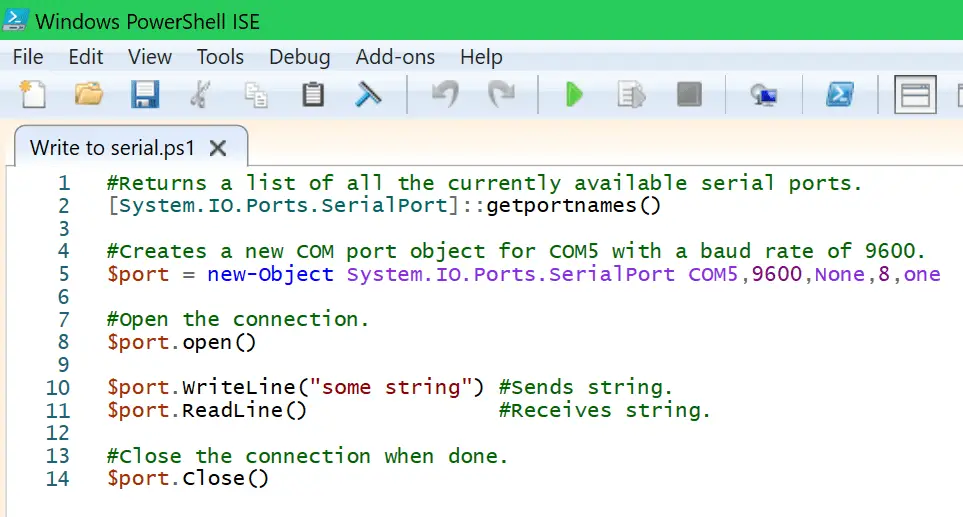
In this short post, I’ll show you how to read and write to/from the serial port using Powershell.
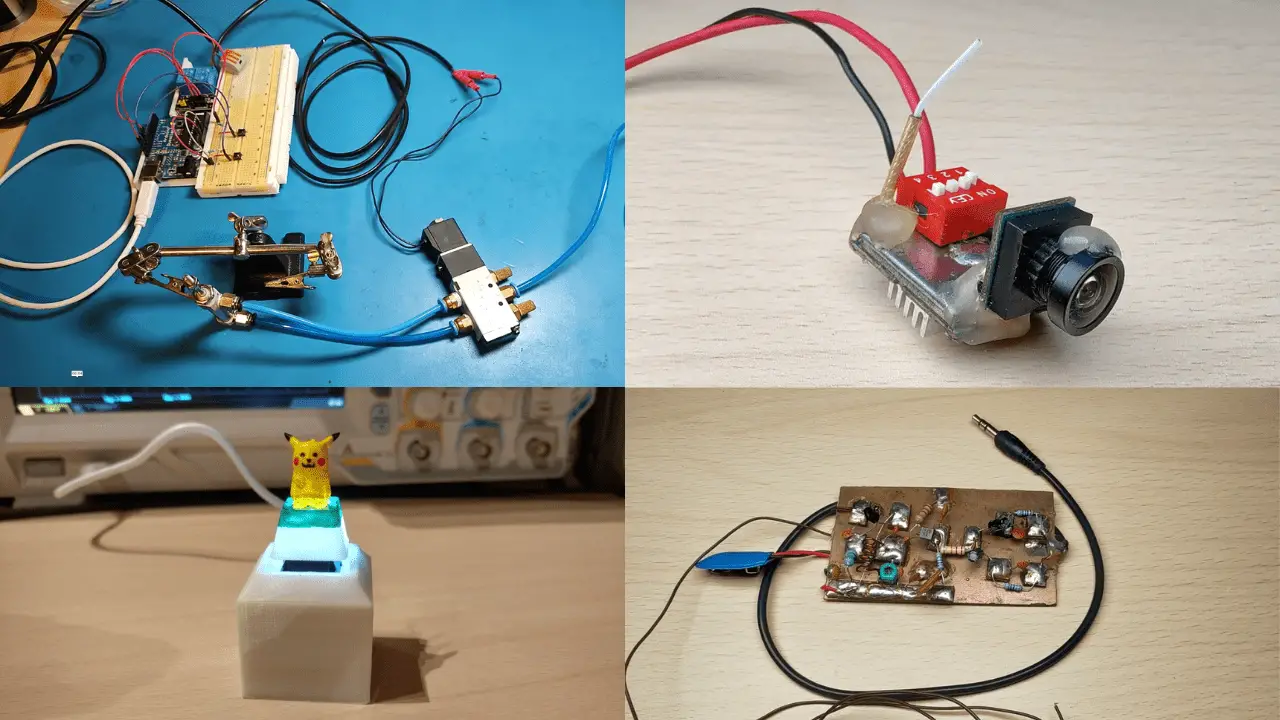
In this post I will document some of my smaller projects that don’t deserve a whole blog post of their own.
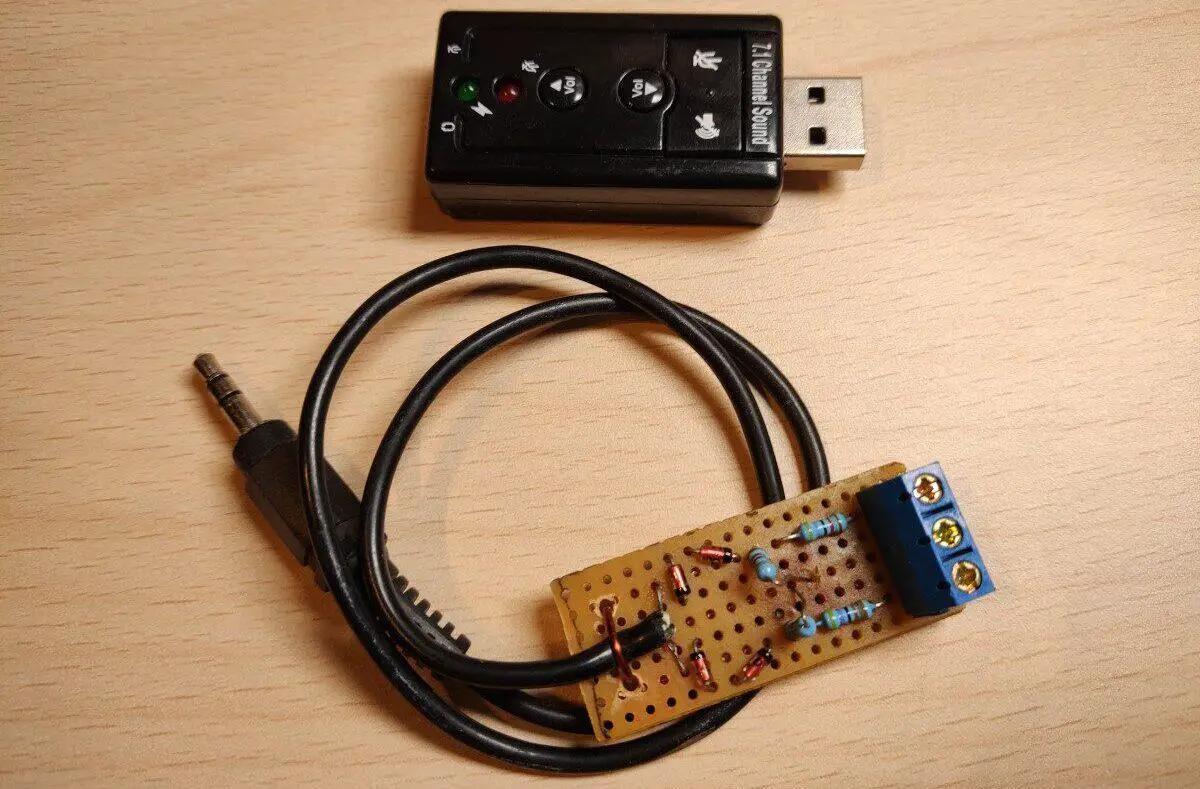
In this post, I’ll show you how to make a signal generator and oscilloscope from a PC soundcard. I used a cheap USB soundcard so in case the input voltage gets too high, I don’t damage my PC. This signal generator and oscilloscope obviously don’t have the best specs and are very limited. They can produce/measure a very narrow range of voltages and frequencies(0-20KHz).
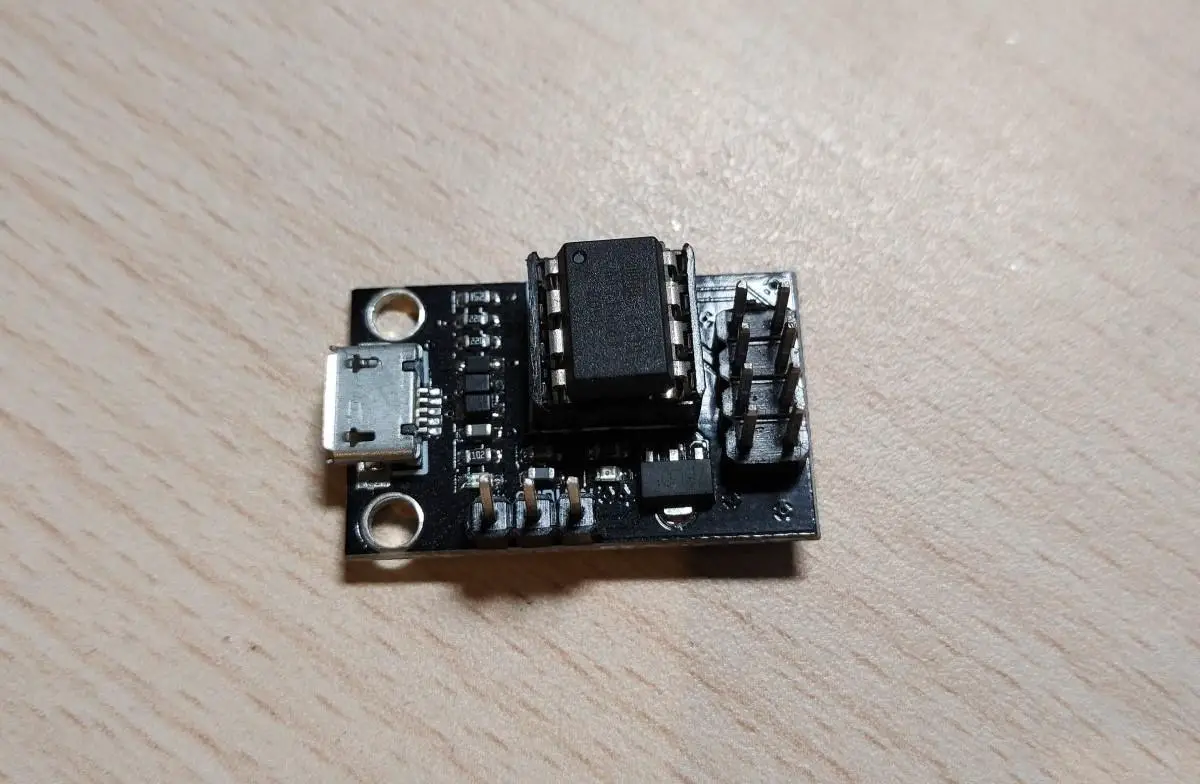
In this post, I’ll show you how to use and program the Attiny 85 Digispark board with the Arduino IDE. I’ll demonstrate how to add the board to the Arduino IDE and how to install the drivers. Finally, we’ll make an example sketch that simply blinks an LED.
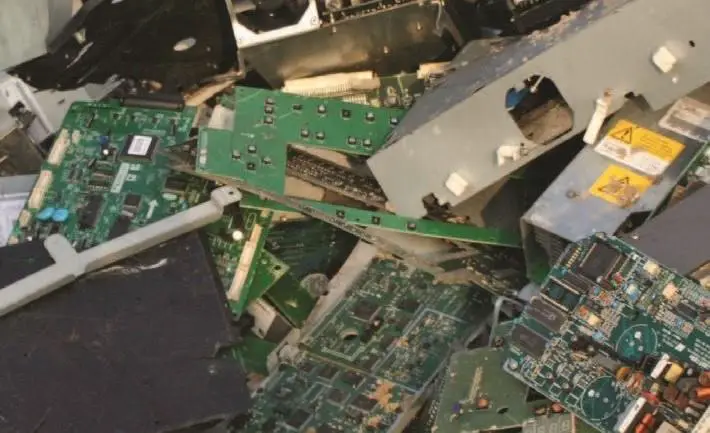
Recently I decided to clean up my project backlog by either finishing or scraping the projects. A lot of times when I start something it eventually ends up being sidelined for months(or even years) for a multitude of reasons (being busy with other stuff, waiting for parts, forgetting about them, not feeling like it). In this post, I will document some of the ones that I decided to cancel/scrap, how far along I got and the reason I started the project in the first place and why scrapped it.
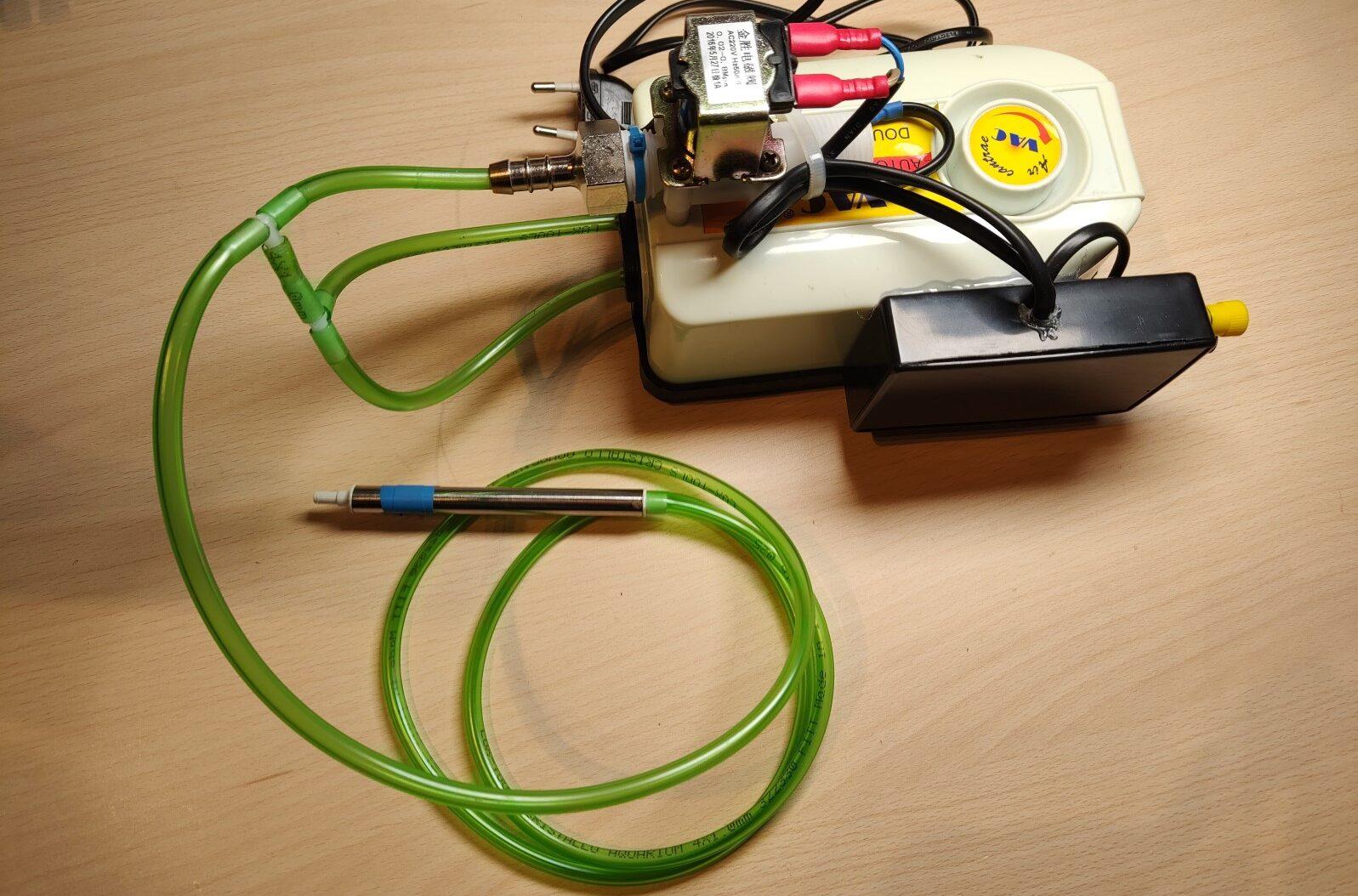
In this post, I’ll show my DIY SMD vacuum pickup tool. I bought this vacuum pump SMD pickup but it had no way to be turned on/off. There is only a hole on the vacuum “pen” that you can cover with your finger to make or release the vacuum. I decided I would mod it and make it operable with a footswitch. When pressed the vacuum pump is turned on and when you let go the vacuum pump is turned off while the valve is opened at the same time to release the vacuum and instantly drop the SMD part from the nozzle.
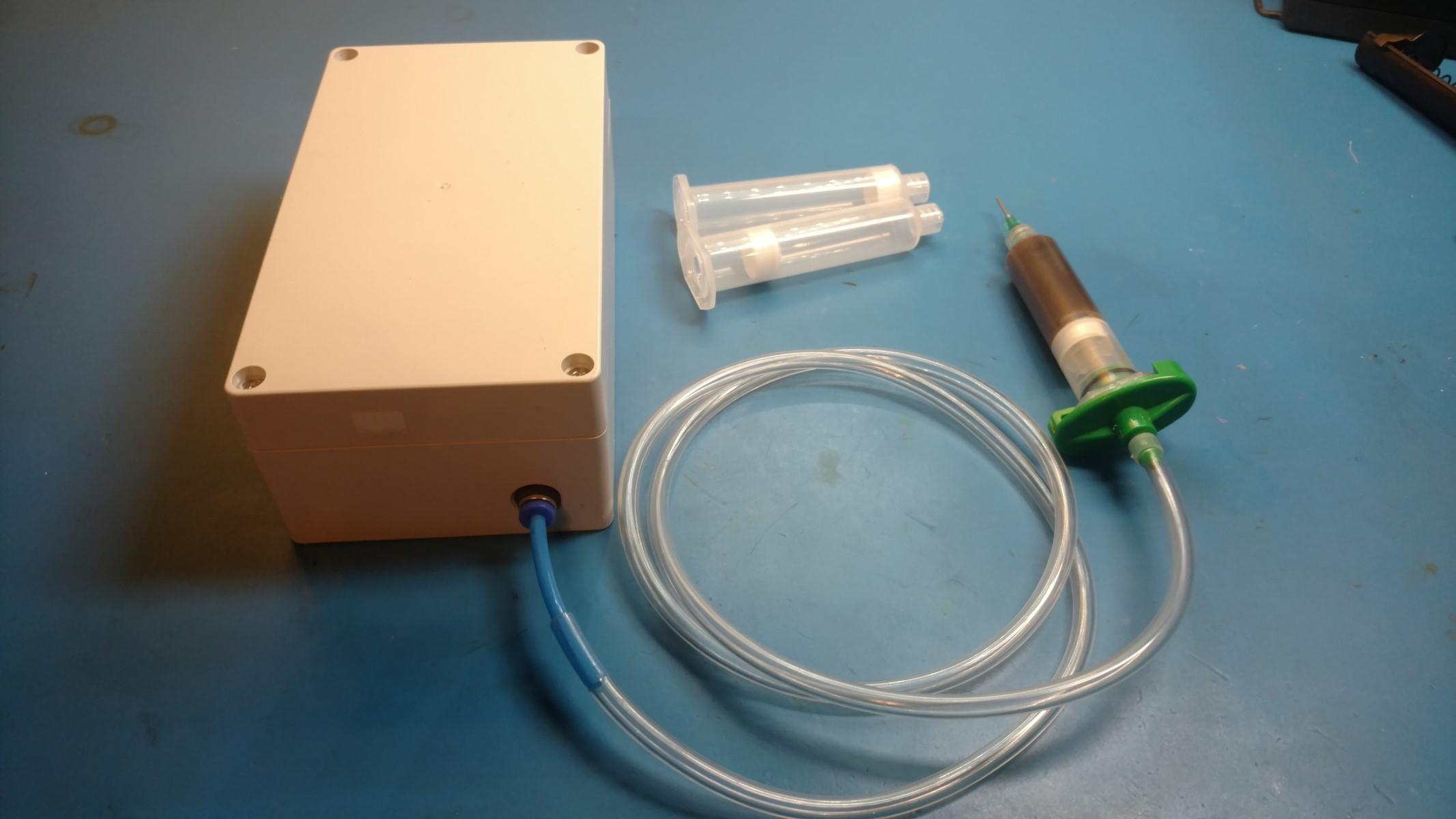
In this post, I’ll show my DIY solder paste dispenser. It’s powered by a 12V adapter and can be operated by a footswitch(connected via banana connectors). It uses a small membrane air pump/compressor to dispense the solder paste/flux. Additionally, there is a solenoid air valve connected to the airline so the pressure can be released after you let go of the footswitch which prevents the solder paste or flux from oozing out. The pump and valve timing is controlled through a relay module by an attiny45 microcontroller.